Looking to enhance your home's value with a new fence but unsure where to start?
For many homeowners, deciding between vinyl and wood fencing can be overwhelming. Each material offers its own benefits, from the timeless appeal of wood to the durability and low maintenance of vinyl. With the right choice, you can boost your home's value and curb appeal without unnecessary hassle.
In this guide, we'll walk you through the key differences between vinyl and wood fencing, helping you make an informed decision that fits your property's unique needs. Let's explore the essential factors to consider as you move forward with your fencing project.
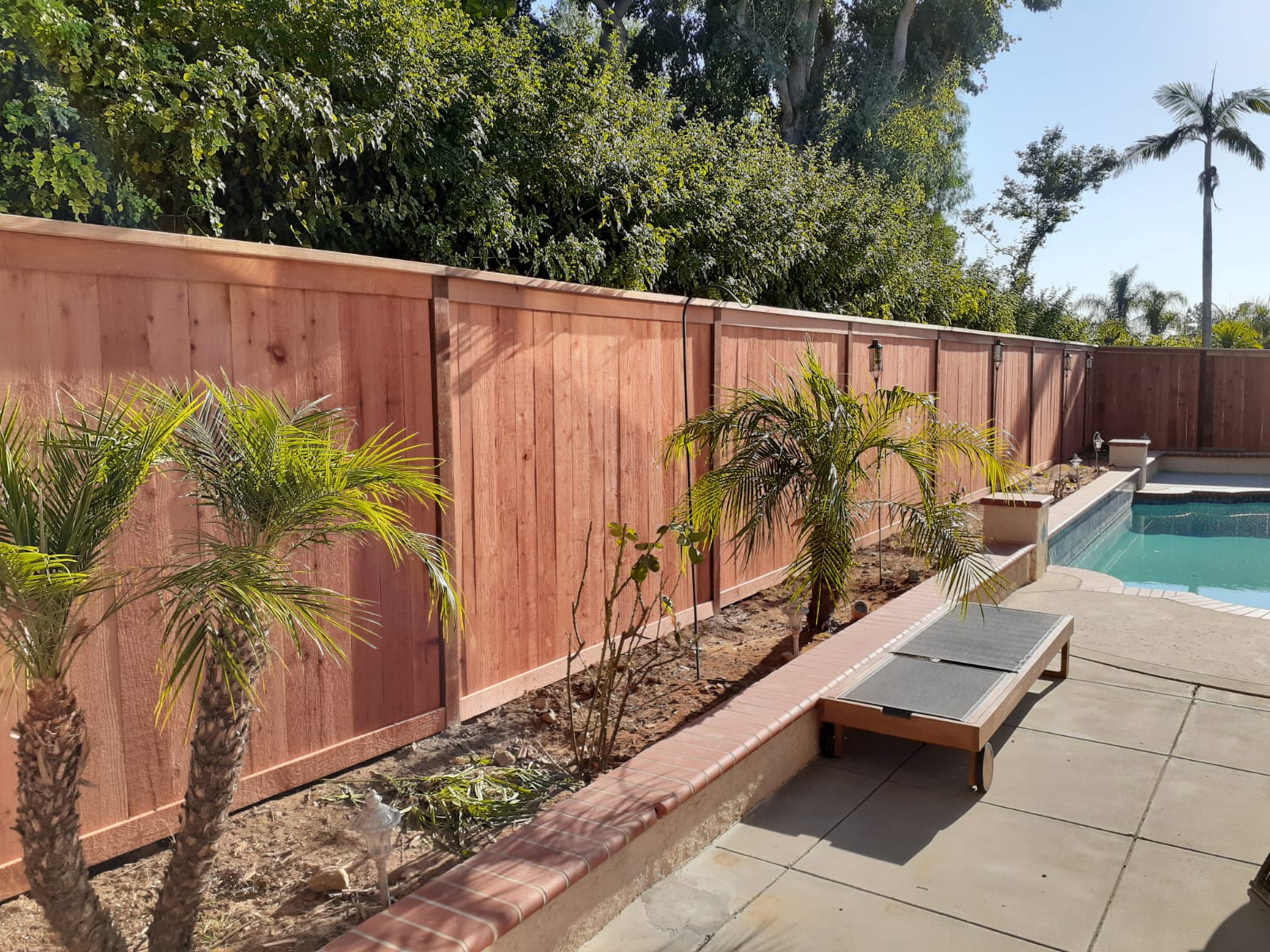
Wood fences bring a timeless, classic charm to any home, which makes them a popular choice for many homeowners. Their natural look blends beautifully with a variety of landscapes, offering a warm and organic feel. You can easily customize wood fencing for flexibility in design with different:
Homeowners also find wood to be a great option when looking for easy repairs since individual boards can be replaced without much hassle. Among the benefits of wood fencing is its ability to suit both traditional and modern home designs, making it a versatile choice for home fencing solutions.
Maintaining wood fences can be time-consuming and expensive, as they require regular upkeep to prevent weather damage. Without proper treatment, wood may:
The ongoing need for staining, painting, and sealing adds to the overall cost, which can make it more expensive in the long term compared to other options in a fence material comparison. Additionally, wood fences tend to have a shorter lifespan, especially in areas with harsh weather conditions. They may look beautiful initially, but without consistent care, their durability can quickly diminish.
Vinyl fencing is known for its long-lasting durability and minimal maintenance needs. It doesn't require painting or sealing, making it an ideal choice for homeowners looking for low-maintenance home fencing solutions.
Since vinyl is resistant to moisture and decay, it holds up well over time (even in tough climates). Its surface can be easily cleaned with soap and water, allowing it to maintain its fresh appearance year after year.
Among the vinyl fence advantages, its resilience and longevity stand out, making it a cost-effective investment. Keep this in mind if you're working with a limited budget, as fence additions can be costly for those with large properties.
While vinyl offers many advantages, it can be more expensive upfront than wood. Its lack of customization options may also be a drawback for homeowners who want a more unique or tailored design. Damage to vinyl fences can be difficult to repair, as whole sections often need to be replaced instead of individual panels.
Furthermore, some homeowners feel that vinyl lacks the natural charm of wood, which might not appeal to those wanting a more traditional aesthetic. Choosing the right fence can sometimes mean sacrificing customization in exchange for durability and low maintenance. These are key factors when comparing materials like wood and vinyl.
After deciding which type of material is ideal, it's crucial to find the right contractor. Doing so helps avoid countless issues that may have otherwise arisen. Listed below are key features to keep an eye out for.
Experience plays a critical role when hiring a contractor, so it's essential to know how long they've been in the industry. A seasoned contractor will have a proven track record and knowledge of various project challenges.
Look for contractors who have handled similar projects to ensure they are familiar with the specific requirements of your job. Past experience often indicates the contractor's ability to deliver quality work on time. When researching contractors, ask about their experience with projects of similar size and complexity to ensure you're making an informed decision.
Before hiring a contractor, make sure they are fully licensed and insured for the work they are offering. Proper credentials are a clear sign of professionalism and accountability.
Ask for their licensing information and verify it with local authorities if necessary. Contractors who hold up-to-date licenses and insurance coverage are more likely to follow legal standards and ensure your project goes as smoothly as possible. Ensuring your contractor is licensed also gives you peace of mind knowing that you're working with a legitimate business.
Online reviews can provide valuable insight into a contractor's reliability and quality of work. Pay attention to patterns in the reviews, as well.
Consistent complaints about poor communication or missed deadlines could be red flags. It's helpful to ask the contractor for testimonials from previous clients so you can get a sense of their professionalism and quality firsthand.
It's also crucial to stay wary of reviews that seem too good to be true, as there are plenty of fake reviews out there. Checking past feedback will help you make a more informed decision when evaluating potential contractors.
A detailed estimate is crucial for understanding the full scope and cost of the project. It's imperative to compare estimates from multiple contractors to ensure you're getting a fair deal. A reputable contractor will take the time to explain their:
Avoid contractors who provide vague or incomplete estimates, as this can lead to hidden fees or financial surprises later on. Requesting an estimate upfront allows you to budget properly and avoid potential issues.
The guide above will help ensure the decision between wood fencing and vinyl is as easy as possible. From here, you'll take your home's curb appeal and aesthetic to the next level.
Irvine Fence Inc. offers over 22 years of experience in providing high-quality, durable fencing solutions for residential and commercial properties in California. We specialize in a variety of materials and offer factory-direct pricing with a workmanship warranty. You can learn more about how they can help when you get in touch with us today.