
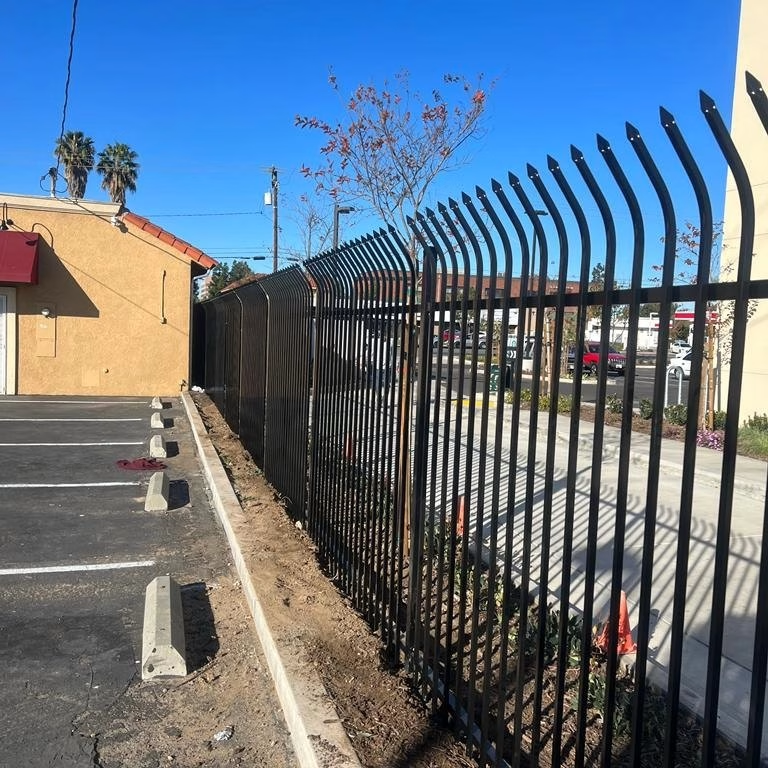
Thinking about installing an iron fence and wondering how to keep it in top condition? Known for its strength and durability, iron fencing is a popular choice for homeowners seeking a balance of style and functionality.
Iron fences are highly resistant to weather, mold, and decay, which is why metal fencing accounts for 55.4% of the fencing market, according to Coherent Market Insights. However, even the most durable fences require proper maintenance to preserve their beauty and functionality over time.
In this guide, we'll share expert maintenance tips to ensure your iron fence remains a lasting feature of your property. From cleaning and rust prevention to regular inspections, these simple steps will help you enjoy your fence for years to come.
Iron fence pickets, posts, and rails may look smooth from afar. However, upon closer inspection, they have a slightly coarse texture, one of the primary reasons they collect dirt, dust, and debris.
As FirstStreet.org notes, Anaheim's air quality is better than 82% of other California cities. However, it still experiences "poor air quality days" when high particulate matter (PM) pollution levels abound. Your fence, being outdoors, can quickly become covered with PM pollutants.
So, to maintain your iron fence's appearance and help it last as long as possible, clean it regularly with plain water. You can use gentle, bleach-free detergent or dishwashing soap if there's particularly stubborn urban grime.
To simplify iron fence maintenance, here are some tips to keep in mind:
Once you've finished rinsing, let your fence air dry or wipe it with a clean, soft cloth.
A thorough cleaning job can reveal rusted areas that dust, debris, or grime can cover, so inspecting your iron fence afterward is a good idea. Remember, while iron doesn't rot or develop pest damage like wood, its primary downfall is corrosion, which happens when iron reacts with oxygen, a phenomenon hastened by moist environments. Anaheim, CA, may not be as humid as many cities in Florida, but as WeatherSpark.com points out, it still experiences a wet season of 4.3 months and a muggy period of 3.2 months.
Any part of an iron fence can rust, but some spots are more susceptible, such as those closest to the ground or stuck in the soil. Areas regularly touching plants may also be more prone to corrosion since branches and stems may scratch the paint. You should also pay careful attention to latches and hinges, which are quicker to rust, as water can collect or stay on them until it evaporates.
Protecting iron fences is necessary to prevent corrosion. If not stopped or mitigated, rust can spread quickly and affect the material's structural integrity and longevity.
Here are some tips to help safeguard your iron fence from premature failure caused by corrosion.
One of the most crucial steps in preventing rust on iron is powder coating, a dry finish process that, according to PowderCoating.org, accounts for over 15% of the industrial finishing market. Although paint helps protect iron, powder coating is more durable and just as attractive. It also provides a finish that's more resistant to:
Powder coating helps reduce the risk of physical damage (e.g., chips and scratches) that can lead to rusting.
One way to ensure that the materials used in your iron fencing have undergone proper powder coating is to hire a reputable fence company, such as Irvine Fence Inc. By partnering with us to design and install your next iron fence, you can expect it to boast exceptional rust protection and resistance.
Do you plan to have your iron fence set up on or near a green lawn? If so, proper drainage is one of the most crucial factors for your fence installation. Without it, your metal fence is at risk of continuous exposure to irrigation water and moist soil.
Plants growing close to the inside or outside of an iron fence have a certain appeal. Adding flora to the mix "softens" a metal fence's elegant yet "cool" beauty, further boosting its contribution to enhanced curb appeal.
However, as mentioned above, branches and stems can scratch fence paintwork. So, if you let plants grow too closely to your fence, you put your iron fence at increased risk of rust due to paint damage. For the same reason, it's best to trim shrubs and maintain a gap or clearance of about one to two feet.
Painted or powder-coated iron fencing may lose its gloss and shine over time, but luckily, you can restore its glory with some furniture or car wax.
After thoroughly cleaning and drying your fence, apply some wax with a clean, dry, and soft cloth. Waxing can protect the iron material from weather and wear.
Once the wax dries (it may be a good idea to wait overnight), use another clean cloth to buff and polish the iron. Depending on the fence's length, height, and design complexity, the job may take a few hours, but it'll be worth it once you see it shining gloriously.
Regular cleaning, inspections, waxing, and buffing are strategies for maintaining an iron fence's beauty and integrity. However, ensuring your fence features premium, powder-coated iron from the start is just as crucial.
Irvine Fence Inc. is your one-stop shop for high-quality fencing systems designed for Anaheim and Southern California's climate. We've been in business since 2010, but our professional in-house installers have over 20 years of industry experience. We're a fully licensed, bonded, and insured company and are proud to have won the 2017 BEST OF HomeAdvisor award.
Speak with us today, and we'll happily answer all your questions and provide a free iron fence installation quote!