
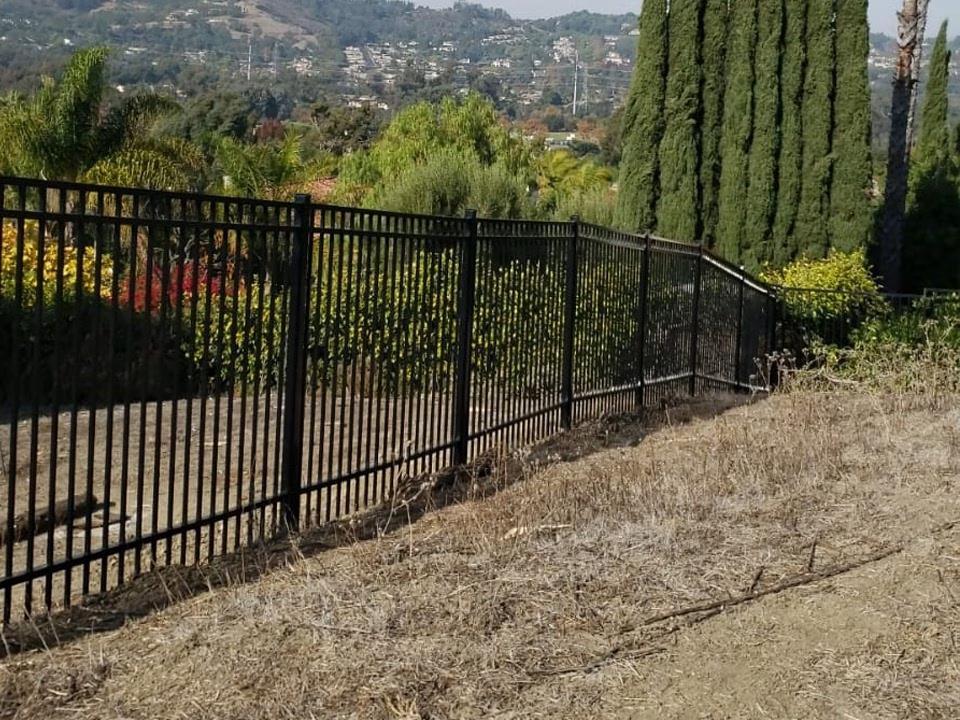
Are you considering upgrading your property's security and aesthetic appeal with a new fence? Choosing between wrought iron and aluminum fencing in Irvine, CA, can be challenging for homeowners looking to enhance their property value while adding security.
The aluminum versus wrought iron fence debate has homeowners weighing their options carefully as both materials offer distinct advantages for residential properties. In this comprehensive guide, Irvine Fence Inc. will explain the key differences between these popular fencing materials to help you make an informed decision for your specific needs and property style.
When investing in a fence, longevity should be a top priority. Both aluminum and wrought iron offer impressive durability, but they perform differently under various conditions.
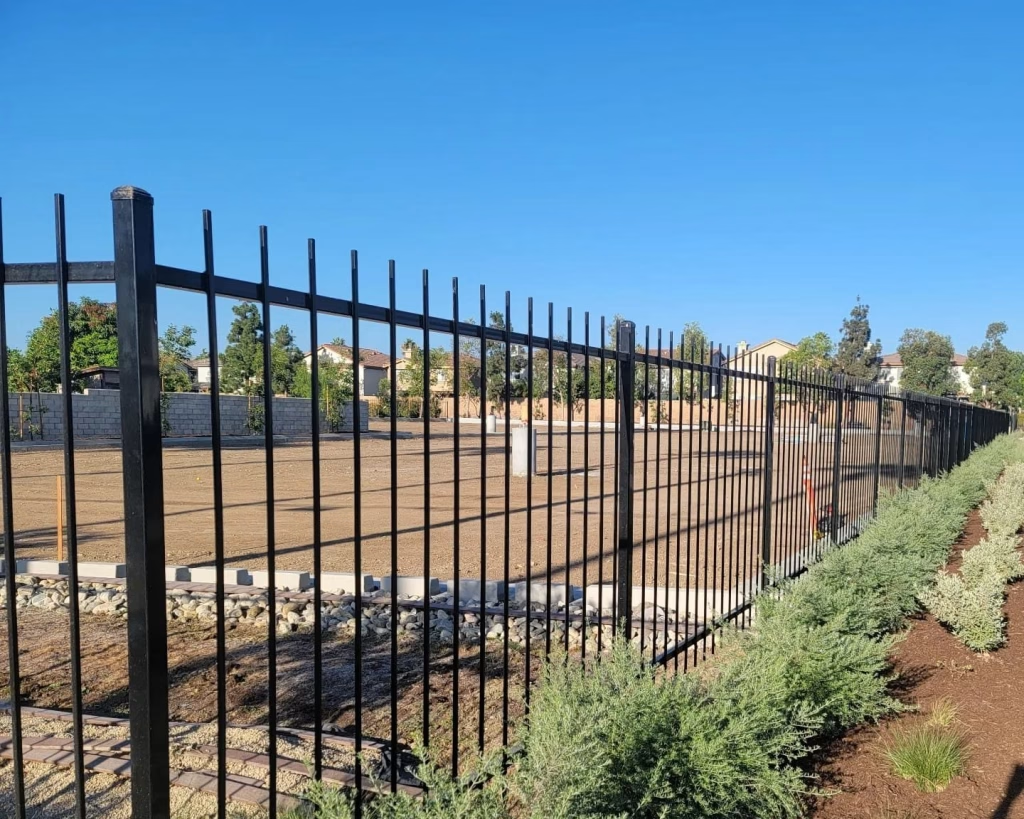
Different climates present unique challenges for outdoor installations. Here's how these materials handle exposure:
Aluminum naturally resists rust and corrosion due to its chemical composition. This resistance makes it virtually maintenance-free even in coastal or humid environments. The material forms a protective oxide layer that prevents further degradation, ensuring long-term protection without additional treatments.
Wrought iron requires regular inspections and maintenance to prevent rust formation throughout its lifespan. Even small chips in the protective coating can allow moisture to reach the iron beneath, starting the oxidation process. Left unchecked, rust can compromise the appearance and structural integrity of an otherwise beautiful wrought iron fence.
Aluminum needs little more than occasional cleaning with soap and water to maintain its appearance. Wrought iron demands periodic sanding, repainting, and protective coating to preserve its condition and prevent deterioration. The time commitment for wrought iron maintenance can be substantial, requiring weekend work several times a year, depending on your climate conditions.
The minimal maintenance requirements of aluminum can save significant time and money over the fence's lifetime. Wrought iron's maintenance needs increase with proximity to water, which is something to consider for Irvine properties near the coast.
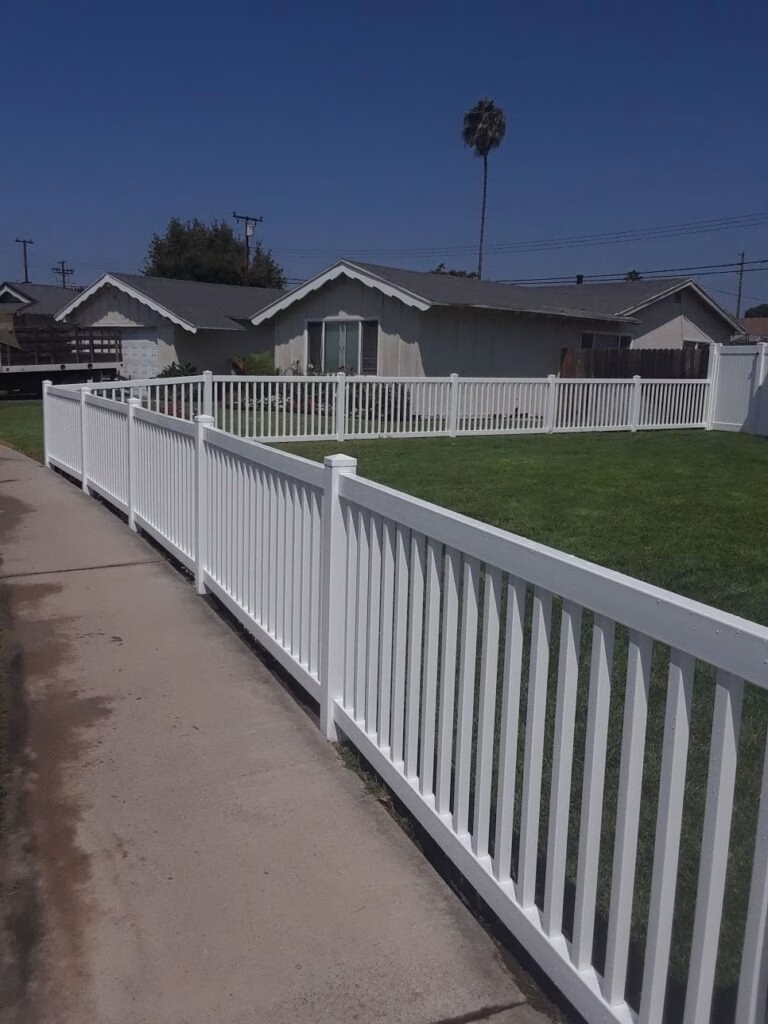
Both fencing materials offer distinctive looks that can complement various architectural styles.
Wrought iron exudes timeless elegance with its handcrafted appearance. The material's malleability allows for intricate designs and custom ornamentation that can transform your property into something reminiscent of historic neighborhoods. These classic designs often feature scrollwork, finials, and other decorative elements that add character to your property's perimeter.
Aluminum fencing recreates much of wrought iron's classic appeal but with modern advantages. Today's aluminum options come in various styles that mimic traditional wrought iron aesthetics, from simple designs to ornate patterns with decorative elements. The versatility of aluminum allows it to complement traditional and contemporary home styles with equal effectiveness.
Budget considerations play a significant role when comparing aluminum versus wrought iron fence options. Several factors influence overall expenses:
Wrought iron typically commands a premium price due to its material composition and manufacturing process. The raw materials for wrought iron are more expensive, and the craftsmanship required to forge and shape it adds to the cost. These higher material costs make wrought iron fencing a more substantial initial investment compared to aluminum alternatives.
The heavyweight nature of wrought iron requires more labor and specialized equipment for proper installation. Professional installers often need larger crews and more time to complete wrought iron projects, increasing labor costs. The installation complexity also demands more specialized knowledge, which can lead to higher rates from experienced contractors.
Aluminum's lower maintenance needs translate to reduced lifetime costs, despite wrought iron's longer potential lifespan. The ongoing expenses for painting, rust treatment, and repairs for wrought iron add up significantly over the decades. When considering the total cost of ownership, aluminum's minimal maintenance requirements often make it the more economical choice for many homeowners.
For most homeowners, aluminum fencing delivers an excellent balance of quality and value. The initial savings, combined with minimal maintenance expenses, make it financially advantageous for many residential applications.
Installing either fence type requires careful planning, but the processes differ significantly.
After reviewing the durability comparison and weighing all other factors in the aluminum versus wrought iron fence debate, which option best suits your home? For most homeowners, aluminum fencing is ideal for aesthetic appeal, durability, and value. Its rust resistance makes it particularly well-suited for various climate conditions, while its lower maintenance requirements allow you to enjoy your fence without the ongoing upkeep.
Both aluminum and wrought iron fences offer unique advantages depending on your style, maintenance preferences, and budget.
At Irvine Fence Inc., we’ve installed both for years and are happy to help you weigh the options without pressure.
Explore our resources to dive deeper into each option, or contact our friendly team at (657) 213-8053 when you’re ready to get personalized advice and a quote for your ideal fence solution.